LED vs Traditional Signs: Which One Drives More Visibility?
Estimated Reading Time: 7 minutes
- Understand the contrasting benefits of LED and traditional signage.
- Evaluate your brand’s messaging and how often it needs updates.
- Consider your audience’s preferences when selecting signage.
- Assess local regulations that may affect your signage choice.
- Partner with experts like SignLabJax for tailored signage solutions.
Table of Contents
- Understanding Signage: The Power of Visibility
- The Rise of LED Signs
- The Value of Traditional Signs
- Which Sign Drives More Visibility?
- Practical Takeaways for Local Businesses
- SignLabJax: Your Signage Partner
- Conclusion
- FAQ
Understanding Signage: The Power of Visibility
Signage serves as a visual representation of your business, conveying information about your brand to potential customers. The right sign can attract foot traffic, communicate your brand message, and create a memorable visual identity. However, the type of signage you choose plays a crucial role in how effectively you communicate with your audience.
The Rise of LED Signs
LED (Light Emitting Diode) signs have gained immense popularity in recent years due to their vibrant colors, energy efficiency, and versatility. Here’s why they may drive more visibility compared to traditional signage:
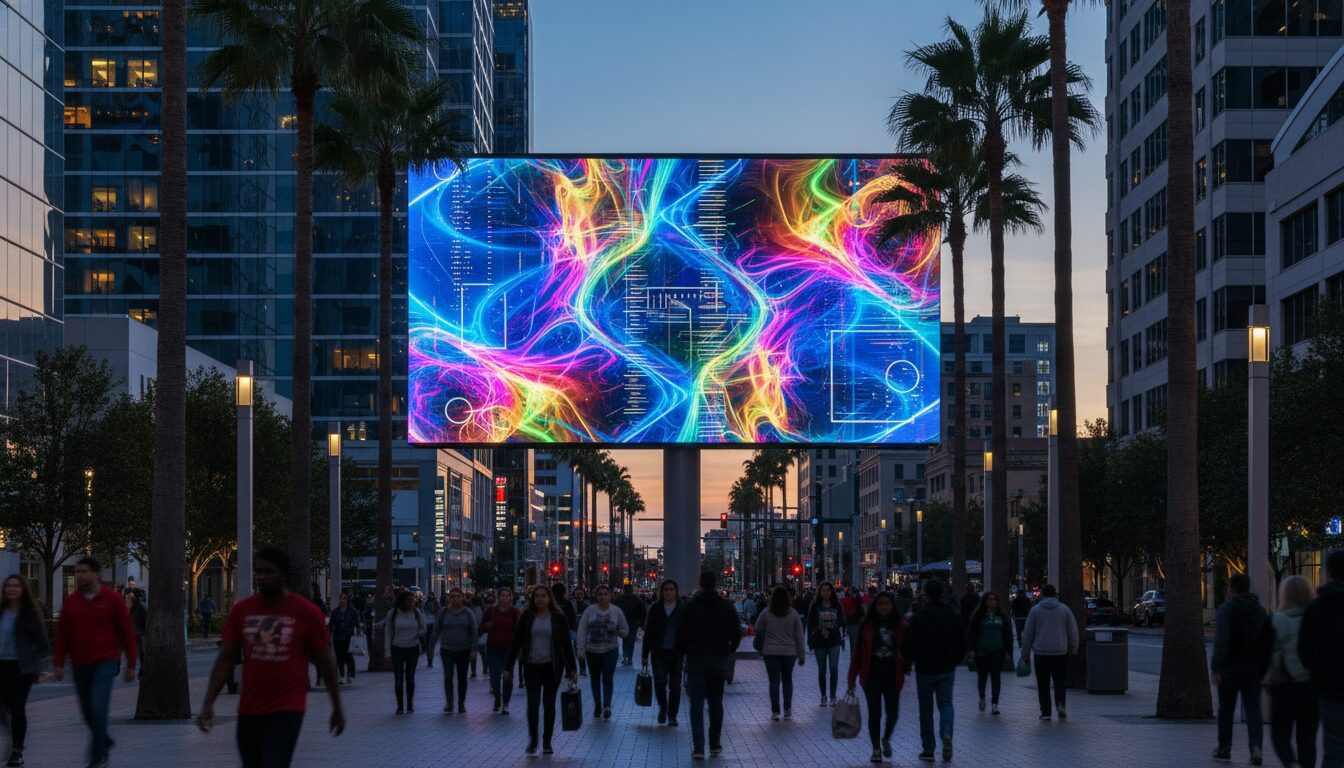
- Brightness and Clarity: LED signs are exceptionally bright and visible, even in direct sunlight. This brightness can attract attention from a distance, making it an excellent choice for busy urban environments like Jacksonville.
- Dynamic Content: One of the most significant advantages of LED signs is their ability to display dynamic content. Businesses can change messages, promotions, or graphics easily, allowing for real-time communication with customers. Research indicates that dynamic displays can increase viewer engagement by up to 400% compared to static signs (source).
- Energy Efficiency: LED technology is highly energy-efficient, consuming less power than traditional neon or fluorescent signs. This efficiency translates into cost savings for businesses in terms of electricity usage, making it a sustainable option.
- Longevity: LED signs typically have a longer lifespan than traditional signs. They can last up to 100,000 hours, which reduces the need for frequent replacements and lowers overall maintenance costs.
- Customization: The technology behind LED signage allows for a high degree of customization. Whether it’s a full-color display or specific animations, businesses can tailor their signs to fit their unique branding needs effectively.
The Value of Traditional Signs
While LED signs are often touted for their advanced features, traditional signs still hold value for many businesses. Here are some reasons why traditional signage might be a viable choice:
- Cost-Effectiveness: Initial costs for traditional signs, such as wood, metal, or vinyl, can be lower than those for LED signs. For small businesses or those with limited budgets, traditional signs can provide a reasonable solution without breaking the bank.
- Simplicity: For businesses whose messages don’t require frequent updates, traditional signs offer a straightforward solution. They can effectively communicate brand messages without the potential distraction of changing visuals associated with LED signs.
- Classic Appeal: Many businesses embrace a rustic or classic look with traditional signage. This aesthetic can resonate well with certain audiences and convey a sense of established professionalism that modern LED signs may lack.
- Less Maintenance: Traditional signs may require less technical upkeep compared to LED displays. While they also suffer from wear and tear, they don’t involve the electronics and complex parts that can sometimes fail in LED systems.
- Local Regulations: Some areas have regulations limiting LED signage usage, especially in historic districts. Traditional signs may comply better with local zoning laws, making them a practical choice in these contexts.
Which Sign Drives More Visibility?
When comparing LED signs to traditional signage regarding visibility, several factors must be considered:
1. Location Matters
The effectiveness of each sign type significantly depends on where it’s situated. High-traffic areas, such as downtown Jacksonville, often benefit more from the dynamic capabilities of LED signage, which can capture attention quickly in bustling environments. In contrast, a traditional sign might suffice for businesses located in quieter, more residential areas where foot traffic is limited.
2. Target Audience
Understanding your target audience is vital. Are they drawn to vibrant and modern graphics, or do they appreciate classic aesthetics? For example, restaurants may find that engaging, luminous advertisements highlighting daily specials through LED technology can significantly increase foot traffic, whereas a law firm might prefer a more serious, traditional sign to convey professionalism.
3. Message Frequency
If your business frequently changes its promotions or services, LED signage could be more effective due to its ease of updates. In contrast, for businesses with a static, well-established brand message, traditional signs can communicate that consistency effectively.
4. Budget Considerations
While LED signs have higher upfront costs, they may offer long-term savings through energy efficiency and reduced maintenance. Each business needs to analyze its budget and return on investment when choosing sign types.
Practical Takeaways for Local Businesses
- Assess Your Environment: Understand your business location. Analyze the surrounding area’s traffic patterns and demographics to better inform your choice between LED and traditional signage.
- Know Your Audience: Consider who your customers are and what type of signage resonates with them. It’s essential to align your branding with the type of sign you choose.
- Evaluate Your Message: Think about how frequently you’ll need to update your messaging. Dynamic messages offered by LED signs may be more beneficial for businesses that engage in regular promotional campaigns.
- Factor in Compliance: Check local regulations to determine whether there are restrictions on signage types, especially in historic districts or zoning areas within Jacksonville.
- Consult Experts: Contact local signage experts like SignLabJax to explore custom options and receive advice on the best signage solutions for your business needs.
SignLabJax: Your Signage Partner
At SignLabJax, we pride ourselves on our expertise in sign design, fabrication, installation, and permitting. Our team can help you navigate the options between LED and traditional signage. With a focus on quality materials and craftsmanship, we ensure that your signage not only enhances your visibility but also aligns with your brand identity.
Take the next step toward elevating your brand’s visibility in Jacksonville. Contact us today to discuss your signage needs: SignLabJax Contact Us.
Conclusion
Determining whether LED or traditional signs will drive more visibility for your business is not a one-size-fits-all answer. It requires careful consideration of various factors, including location, audience, messaging frequency, and budget. By understanding the strengths and weaknesses of both options, you can make an informed decision that will enhance your brand’s visibility and contribute to your overall success.
Ultimately, whether you choose the dynamic capabilities of LED signs or the classic appeal of traditional signage, prioritize what best aligns with your branding goals and serves your audience effectively. Let your signage work for you and bring your Jacksonville business to the forefront!
FAQ
- What are the benefits of LED signage?
- Can I install signs myself, or should I hire a professional?
- What are the permitting requirements for signage in Jacksonville?
What are the benefits of LED signage?
LED signage offers enhanced visibility, dynamic content options, energy efficiency, long lifespan, and high customization potential, making it an excellent choice for engaging customers.
Can I install signs myself, or should I hire a professional?
While DIY installation is possible for some signage, hiring professionals ensures compliance with local regulations and proper installation, maximizing the effectiveness of your sign.
What are the permitting requirements for signage in Jacksonville?
Permitting requirements vary based on signage type and location; it’s essential to consult local zoning laws to ensure compliance before installation.